Access
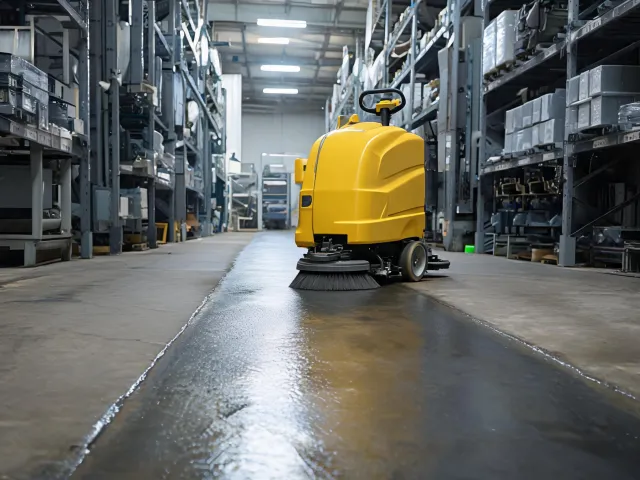
Walk-behind scrubbers
For tighter turns, frequent obstructions and routes where operator sightlines matter more than maximum theoretical area rate.
Inspect the categoryFactory Cat floor-care planning
Start with aisle width, soil load, floor finish and available shift minutes. Then narrow the choice between walk-behind scrubbers, ride-on scrubbers and sweepers.
 Route-first selection
Three machine decisions
Each equipment family answers a different soil and recovery problem. Confirm the final model against its current specification sheet.
For tighter turns, frequent obstructions and routes where operator sightlines matter more than maximum theoretical area rate.
Inspect the category
For long, open routes where fewer turns and less walking may improve useful cleaning time during a fixed shift.
Review machine options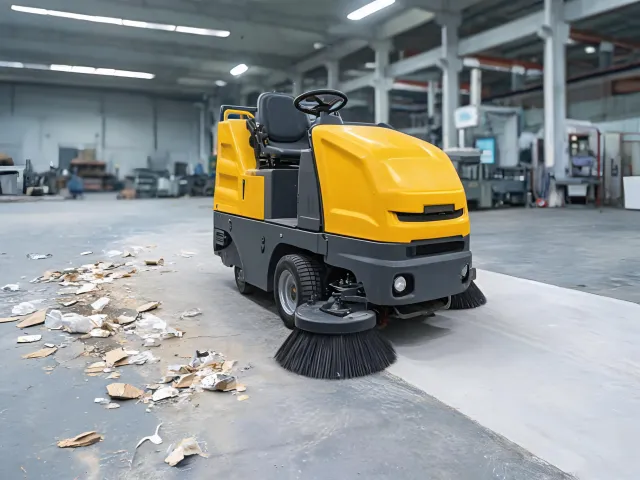
For dry particulate and larger debris that should be collected before wet scrubbing or managed on a separate route.
Compare the taskA practical buying brief
A machine trial is easier to interpret when the route and test conditions are written down before the first pass.
Record coating, texture, slopes, thresholds and joints that can affect brush choice or water pickup.
Separate fine dust, loose debris, oily film and tracked-in grit; one pass strategy rarely suits all four.
Measure the tightest aisle, doorway, turn and storage point rather than relying on the largest open bay.
Include transport, battery handling, refill, dump and rinse time in the usable cleaning window.
Trial record
Bring one real route
Share the narrowest access point, total cleanable area, dominant soil and available shift window. The response can focus on the machine family and test conditions that merit a closer look.